
Across over 30 interviews with talent development leaders, one of the most common challenges is to get development programs to stick and become a part of the company culture.
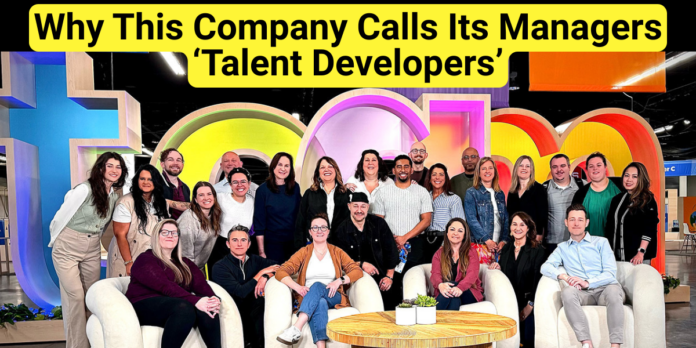
One of the best examples I’ve come across is The Opus Group – a global network of event and experiential marketing agencies, including Opus Agency, MAS, and Verve. Their talent development system is led by Marissa Long, Director of Talent Development and her team. Their approach includes opening development to every employee, delivering monthly well-being sessions that tie in with development, and scaling emotional intelligence through the company team by team.
What follows is a breakdown of their system and why it works.
Not ‘Managers,’ ‘Talent Developers’
Most companies call their people leaders “managers.” At The Opus Group, they call them “Talent Developers.” That shift in language reminds managers that their role is to develop their people.
“It takes some time to shift your thoughts on the language,” Long said, “but there’s no reason to gatekeep my title. I, as one human, cannot oversee the talent development of a 650-plus-person community, it is a partnership with our leaders.”
The Opus Group teaches managers to develop talent—explicitly, systematically, and with a shared baseline. Their internal manager series is five courses: Talent Developer 101–105. It began as both a refresher for existing leaders and training for new ones; now it’s offered quarterly in a cohort model for new managers.
Here’s what the five-part series covers:
Talent Developer 101: Intro to Your Role + Expectations. The program starts with the identity shift: “How is this different from being an individual contributor?” Then it gets concrete about what “good” looks like and what leaders are accountable for, including consistent, fair application of employment law.
Talent Developer 102: Recruiting and Interviewing. This course is for hiring managers and interview panelists. The goal is dual: create a warm, welcoming interview experience while still getting the information needed to make sound decisions in limited time.
Talent Developer 103: Coaching and Feedback. This is where the “soft skills” become operational. Leaders practice how to coach, how to deliver feedback, and how to make those conversations consistent, not rare.
Talent Developer 104: Identifying & Addressing Performance Concerns. She frames this as a process where you identify issues early, address them directly, provide support and coaching, and understand what the full process looks like.
Talent Developer 105: Growth and Development Conversations. “105 is all about facilitating growth and development conversations.” Notably, these conversations aren’t limited to promotions. They include employees who are happy in their current role but want to expand their skills and take on new challenges.
“One of the things that we are really passionate about is expanded access to leadership development tools and resources,” Long explained. “Whether someone is early in their career or they’re a seasoned professional, we really want to make sure everyone has access to the tools they need to help them develop and grow.”
Scaling Emotional Intelligence Team By Team
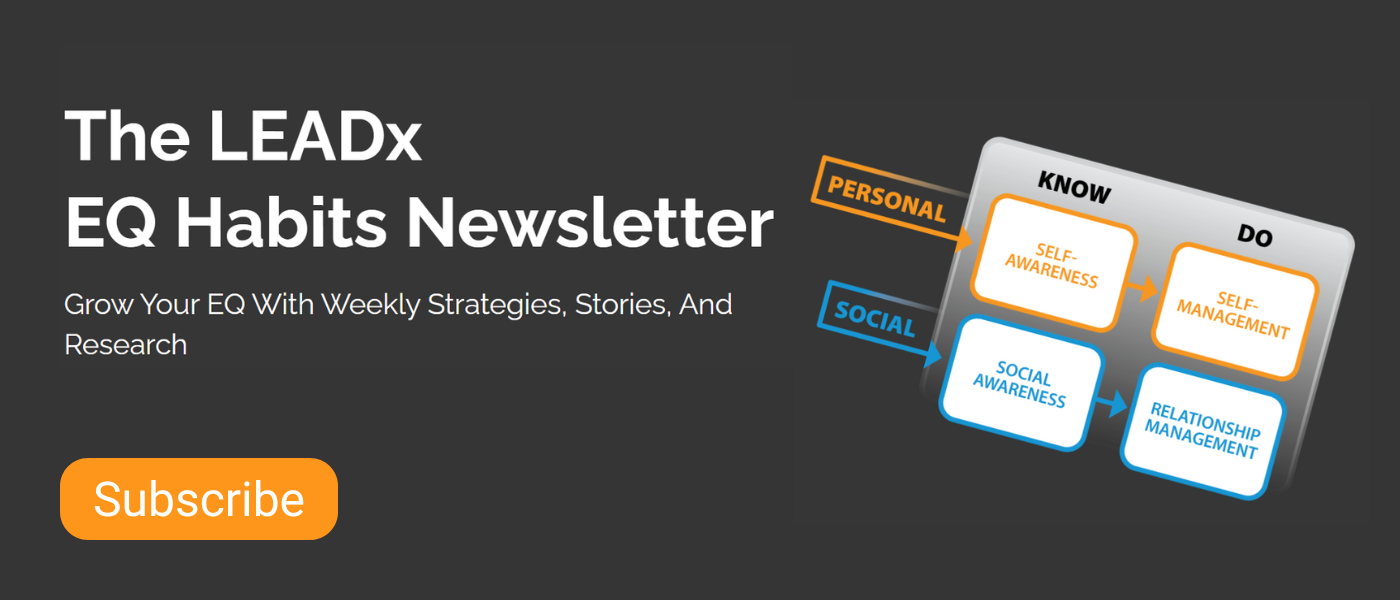
In many organizations, emotional intelligence is framed as individual self-improvement. But research by Vanessa Urch Druskat suggests that teams build emotional intelligence through shared norms and habits, not just individual insight. Teams improve the emotional intelligence of their group when they deliberately surface emotions and build trust-based norms.
Long and her team agree with this line of thinking. “We try to make sure that when we have those emotional intelligence-like topics, we are having those workshops and conversations as a team. That way, everyone, not just the leader, can learn together,” she said.
Here’s how her Leading with Emotional Intelligence program works:
1) Set the stage before the assessment. Long joins a team meeting to explain the “why,” how results will be used, and who will see what. She’s explicit: this is for development, not evaluation.
2) Administer a self-assessment. Their assessment measures self-awareness, self-regulation, motivation, social awareness, and social regulation.
3) Allow time for reflection. Participants receive results a day or two before their coaching session.
4) Conduct 1:1 coaching sessions. “We meet for a coaching session and go through the results together,” Long said. The goal is to ensure understanding—not misinterpretation—and to begin a personalized action plan.
5) Bring the team together. A week or two later, the team workshop focuses on shared language, not comparing scores. “In the workshop, it’s less about, ‘Hey, what’s on your assessment,’ and more about how we develop a shared language,” she said. They explore each EQ component together and translate insights into team behaviors they can apply on the job.
Because they deliver the program to teams, not cohorts of leaders, it’s much more likely that the team will adopt the vocabulary and reference the model in future meetings and conversations.
Two Takeaways Leaders Can Apply Immediately
Don’t underestimate the power of naming. When it comes to influencing your company culture, don’t forget that the name of your program is a lever. Referring to managers as Talent Developers helps ensure that managers consider talent development to be the most important part of their role.
Train EQ (and other similar skills) at the team level. This helps establish a shared vocabulary and memory around the model and key ideas.
Both of these takeaways help L&D leaders create programs that get adopted, both on a team level and a company level.