
In healthcare, intelligence and technical skills are your entry ticket. But it’s often emotional intelligence that takes you from a good leader to a great one.
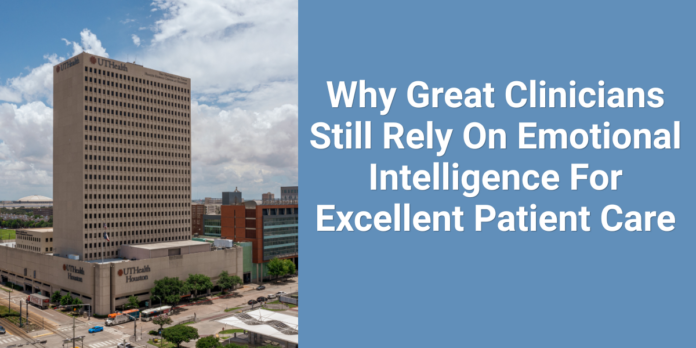
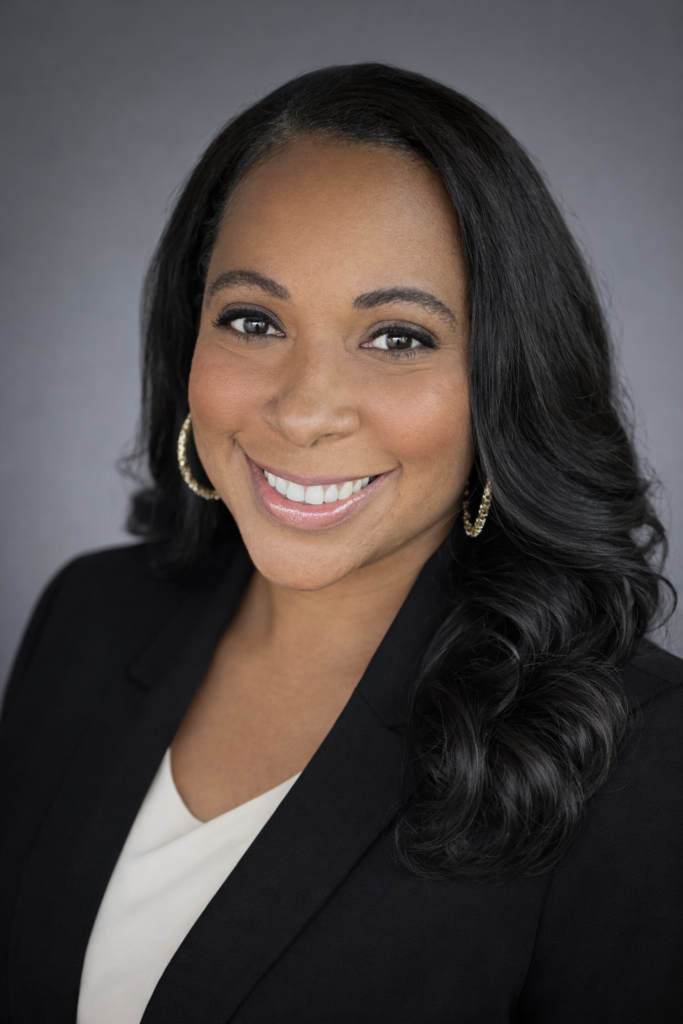
At UTHealth Houston, the assistant director of leadership development programs, Jocelyn Jackson, sees this tension clearly. The organization is a large academic health institution with seven schools and over 13,000 employees. Jackson emphasizes that while clinicians bring deep expertise, they are not always formally trained in the nuances of effective leadership, especially in high-pressure environments.
“The level of intelligence and technical skill in the medical field is exceptional,” Jackson told me. “What we’re seeing is an opportunity to be just as intentional about developing emotional intelligence, because it plays such a key role in leadership, communication, and patient experience.”
That oversight matters more in healthcare than in almost any other setting. EQ skills are a key part of how teams communicate, how people speak up when something is wrong, and how patients feel cared for and understood. It’s no surprise then that one study found that physicians with higher EQs reported significantly lower burnout, higher job satisfaction, and had higher patient satisfaction scores.
EQ Shapes Patient Care
Across more than 40 interviews with L&D leaders, the best emotional intelligence programs all connect directly to top business goals. When it comes to healthcare, one of the most obvious connections lies in patient care.
Does a nurse feel comfortable challenging a physician? Can a team catch an error early? Can someone raise a hand without fearing embarrassment or backlash? All of these questions impact effective patient care, and all of these questions are a matter of emotionally intelligent leadership.
As Jackson sees it, physicians and other clinical professionals are often leading whether they have been trained for it or not. “As a physician, you’re leading people,” she said. “You’re creating that psychologically safe environment for nurses and other staff to speak up.”
Jackson connected those moments directly to the stakes of care. “You’re talking about minimizing risk. You’re talking about making good catches. And you’re talking about patient safety,” she said.
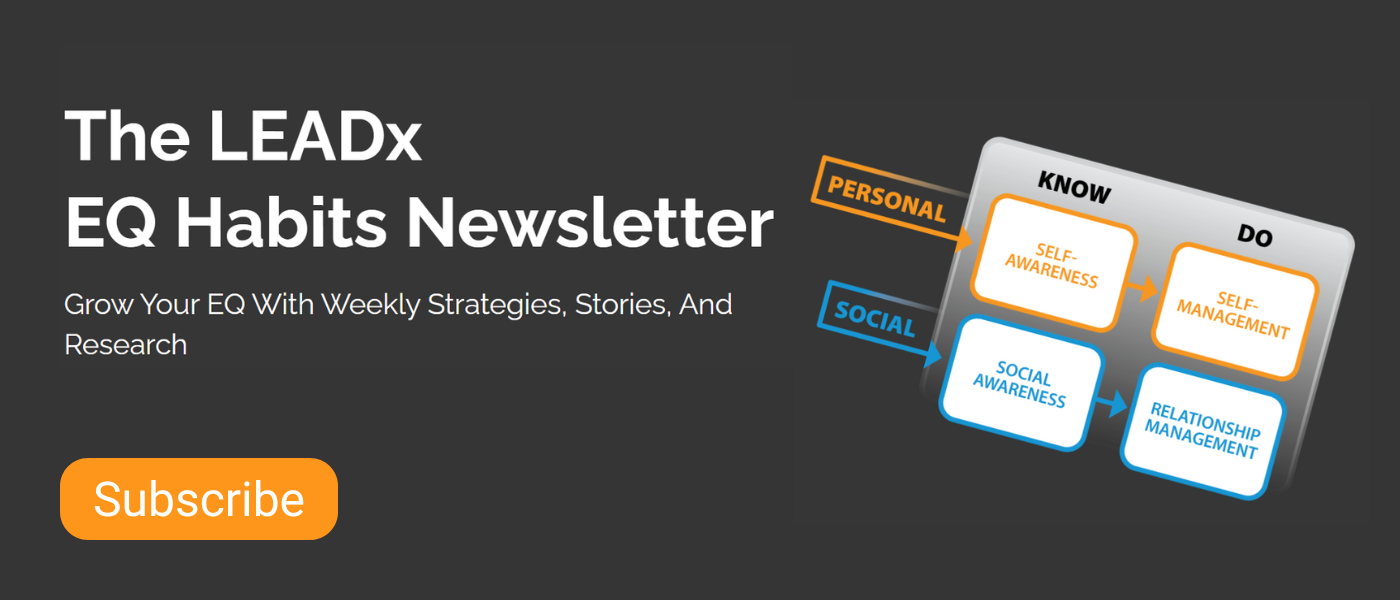
That’s what makes emotional intelligence so essential. Self-awareness, self-regulation, social awareness, and relationship management help clinical teams function at their best, especially when the pressure is high and the consequences imminent.
UTHealth Houston Builds Emotionally Intelligent Leaders in Stages
Jackson and her team helped revamp the UTHealth Houston leadership “Learning Lab” program after she joined the organization a little over a year ago. The goal was to refresh how leaders are supported across the system and to make the programming more tailored to where people actually are in their careers.
The first level, Embark, is for employees who are not yet in formal leadership roles but want to grow. It covers leadership fundamentals, exploring leadership styles, setting SMART goals, building a personal brand, and developing the ability to influence without authority.
Accelerate is the second level for newer leaders in their first three years. Here, the emphasis shifts toward psychological safety, conflict management, and communication style. Participants complete a DiSC assessment and apply their learning through scenario-based exercises guided by executive leaders. Jackson describes the experience as “practical problem-solving, not theory.”
For more seasoned leaders, the third level of Learning Labs is called Elevate. That is where UTHealth Houston introduces their emotional intelligence self-assessment, along with an individual debrief and a class discussion around the core model of emotional intelligence. This more senior audience also gets into change management, both from the perspective of navigating uncertainty and from the perspective of helping other people on your team to navigate it.
For director-level leaders and above, Jackson’s team runs Empower Hours, shorter executive-focused sessions.
This four-level architecture accounts for the fact that leadership challenges are different at each level, and that emotional intelligence needs to be developed in the context of those challenges.
The Best Leadership Development Starts with Business Collaboration
Jackson’s best advice for anyone stepping into a leadership development role: “Be collaborative with the business.”
A lot of leadership development fails because it is built around what the L&D team wants to teach, not what the organization actually needs. Jackson is intentional about working the other way around. She listens to HR partners, looks at survey data, and tries to understand what is happening inside different schools and teams before designing solutions. “You may have a lot of brilliant ideas as an L&D leader,” she said. “But do they meet a real need?”
One example was her team’s decision to bring DISC assessment more intentionally into the Accelerate experience. Through ongoing collaboration with leaders across the institution, Jackson uncovered opportunities to strengthen team dynamics, particularly around differing communication styles. For example, some people were too direct for colleagues who preferred a more conscientious approach. Others were not providing enough detail for people who gravitate toward facts. So, they brought in DISC to help leaders understand how they’re perceived by others and how their team members want to engage with them. Then Jackson and her team train emotional intelligence to hone leaders’ skills around specific behavioral adjustments they can make to better communicate to each team member.
Expertise + Emotional Intelligence = Top Notch Patient Care
In healthcare, technical excellence may earn credibility, but emotional intelligence is what turns expertise into consistently top-notch patient care. UTHealth Houston’s approach shows that EQ is not a “soft” extra, but a practical leadership skill that strengthens communication, psychological safety, and decision-making under pressure. For healthcare organizations that want better outcomes for both patients and staff, investing in emotionally intelligent leaders is no longer optional.