
The heavy construction and building materials sector is an industry traditionally dominated by command-and-control management styles. Yet in an industry where retention and safety are paramount, smart companies are beginning to recognize that technical competence alone is insufficient for long-term success.
The heavy construction and building materials sector is an industry traditionally dominated by command-and-control management styles. Yet in an industry where retention and safety are paramount, smart companies are beginning to recognize that technical competence alone is insufficient for long-term success.
In comes emotional intelligence (EQ). Research across manufacturers shows that emotional intelligence training in manufacturing can cut down on accidents, reduce grievances, and increase productivity.
Dolese Bros leads the charge on training emotional intelligence. Headquartered in Oklahoma with operations extending into North Texas, the company employs roughly 1,200 people across 65 locations. They supply foundational products ranging from ready-mix concrete to aggregate materials. To ready its workforce for the future, Dolese is investing heavily in the human element of its workforce.
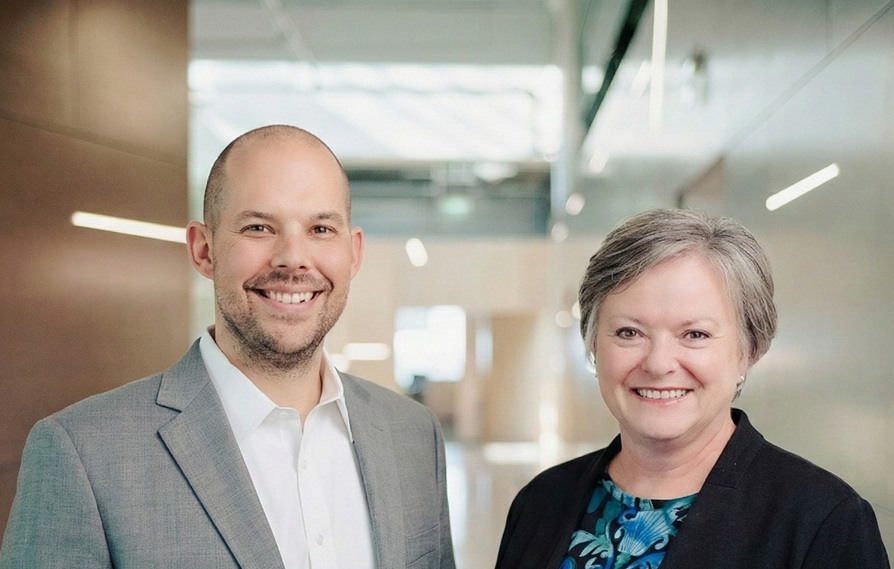
Leading this cultural evolution are Cheryl Ramirez, Vice President of Organizational Development, and Jake Hillemeyer, Director of Learning and Organizational Development. Ramirez joined the company over six years ago with a background in mining to “open up the organization to what was possible by tapping into the power of human talent.” Hillemeyer, who began his career in Health, Safety, and Environmental (HSE), now works alongside Ramirez to facilitate leadership programming and executive coaching.
From Safety To Psychological Safety
The organization’s journey toward emotional intelligence began not as a soft skills initiative but as a critical business necessity regarding safety. In 2014, CEO Mark Helm noticed that when it came to the company’s safety culture, there was a significant gap between leadership perception and employee reality.
The employee feedback highlighted the limitations of the existing command-and-control management style, prompting CEO Helm to create a new role within the company. “I was hired to open up the organization to what was possible when you tap into the power of human talent,” explained Ramirez.
“What if we were very intentional with the way in which we shaped our relationships with our employees? How might this look different?” Hillemeyer said. “If I get to know what your hobbies are. If you have a family, I get to know a little bit about them. And then my care for you and my coaching and my accountability around safety for you is so much easier to language.” As leaders built personal relationships with frontline employees, accountability conversations became more effective.
A Two-Year Leadership Development Journey
To institutionalize this shift, Dolese developed the “Dolese Leading Effectively” (DLE) program. Unlike many corporate training initiatives that consist of sporadic workshops, the DLE is a comprehensive two-year commitment designed to foster deep behavioral change.
“We meet bimonthly, and we have the leaders all day. They come in at 8:30, and we conclude around four,” Hillemeyer said. Between the in-person sessions, participants join bi-monthly, 90-minute virtual coaching circles to process what they’ve learned and support one another.
The program covers leadership fundamentals in year one, including culture, change management, and collaboration. Year two advances into trust, influence, and coaching skills. “We make our participants practice, so they actually have to come with a situation where they need to coach for performance, or they need to coach for development. And then we make them film themselves,” Hillemeyer says. The filming allows facilitators to provide specific feedback on emotional intelligence competencies like facial expressions and tone.
The final session requires participants to write and present a leadership legacy statement to their cohort and the executive team, cementing their learning and public commitment to growth.
Assessments Drive Self-Awareness
The leadership development team utilizes a suite of assessments to help leaders understand themselves and their impact on others.
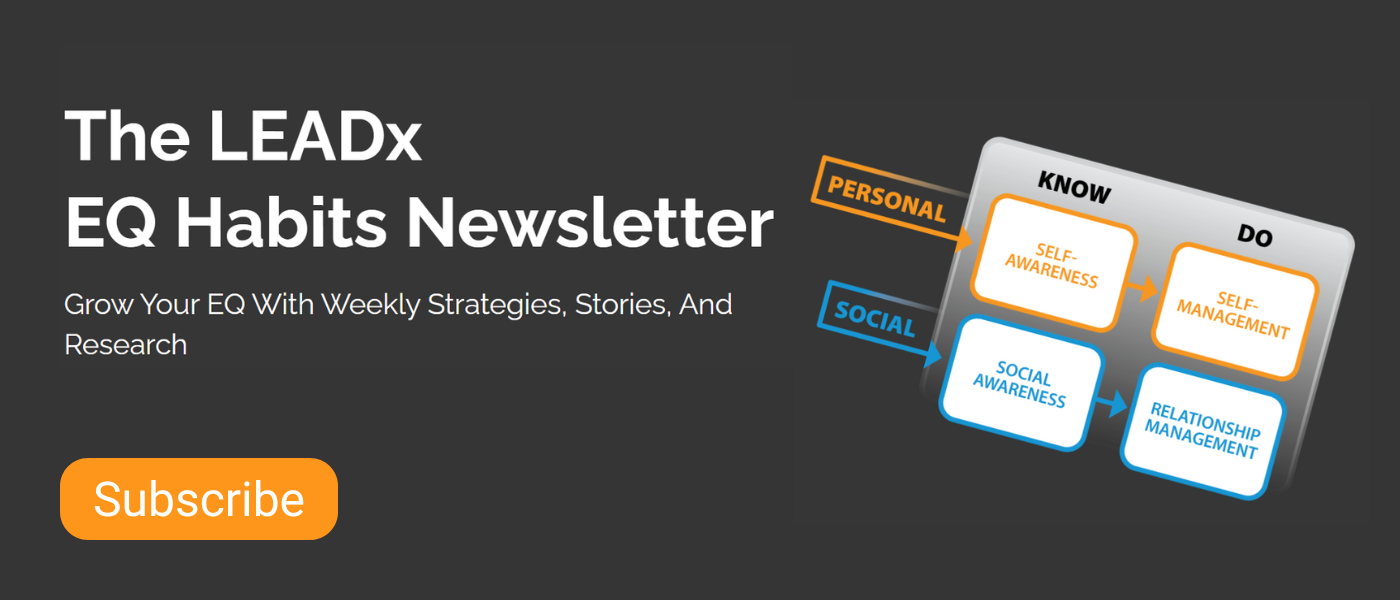
They employ Travis Bradberry’s Emotional Intelligence Test, which measures the four core EQ competencies: self-awareness, self-management, social awareness, and relationship management. Six leaders in the company are certified to administer and debrief the assessment.
The Right Path personality assessment provides complementary insights. “We will take the Right Path personality assessment and overlay it with the emotional intelligence assessment,” Hillemeyer said. “If you have someone who is very blunt or overly assertive, oftentimes they will be a little lower on self-awareness or self-management. So we can really match those things and talk about how we can shape our framing and responses versus just immediately reacting”.
Critical Role of Executive Support
Implementing cultural change in an established organization required more than good programs. Ramirez emphasized that sustained leadership development requires strong CEO alignment. “I had to know that the CEO… was going to have my back,” she said. “We’re going to measure this by what we see in terms of behavior… by the different relationships that get started”.
The early stages required difficult conversations, including bridging significant gaps in trust between frontline leaders and executives. Ramirez described arranging early morning meetings to foster dialogue: “I would ask, ‘Can the executive team meet at 6:30 and have breakfast with this group? And the willingness to step into the mess and be there made a huge difference,” she said.
Hillemeyer credits Helm and Ramirez as foundational to the culture shift. “Without Mark and Cheryl, none of this would have taken place. It’s a very different culture now. We’re all coming at an issue from a deep place of care for one another, and this is about what’s best for the organization.”
Success Fueling Organic Demand
The program’s success has created organic expansion. New cohorts are filling up with Individual contributors, extending EQ development beyond supervisors and managers. And leadmen who weren’t in the formal program began requesting their own coaching circles.
“Outside of this two-year program, I have 10 coaching circles with leadmen across the organization,” Ramirez reported. The company is training additional facilitators to sustain these groups. The coaching circles break down silos as employees discover colleagues across different locations facing identical challenges.
Adapting for the Future
As the industry faces rapid technological advancement, including automation, the focus on human potential is becoming even more critical. “We’re not that far away from autonomous haul trucks. We’re talking about pieces of equipment that will tote upwards of a hundred thousand pounds, and nobody’s operating them,” Hillemeyer notes.
The goal is to equip employees with the mindset to adapt. “We are changing the narrative for our people. You might have had a fixed mindset in the past, but we’re moving you to a growth mindset because we want to create possibilities for you in the future,” Hillemeyer said. As an example, he shared the story of one employee who once said he wasn’t technical but now “could be standing here in my office… and run that whole plant on a tablet”.
Dolese’s multi-year leadership development approach demonstrates how emotional intelligence, practiced consistently and supported from the top, can transform relationships, reshape culture, and prepare an industry for the future.