
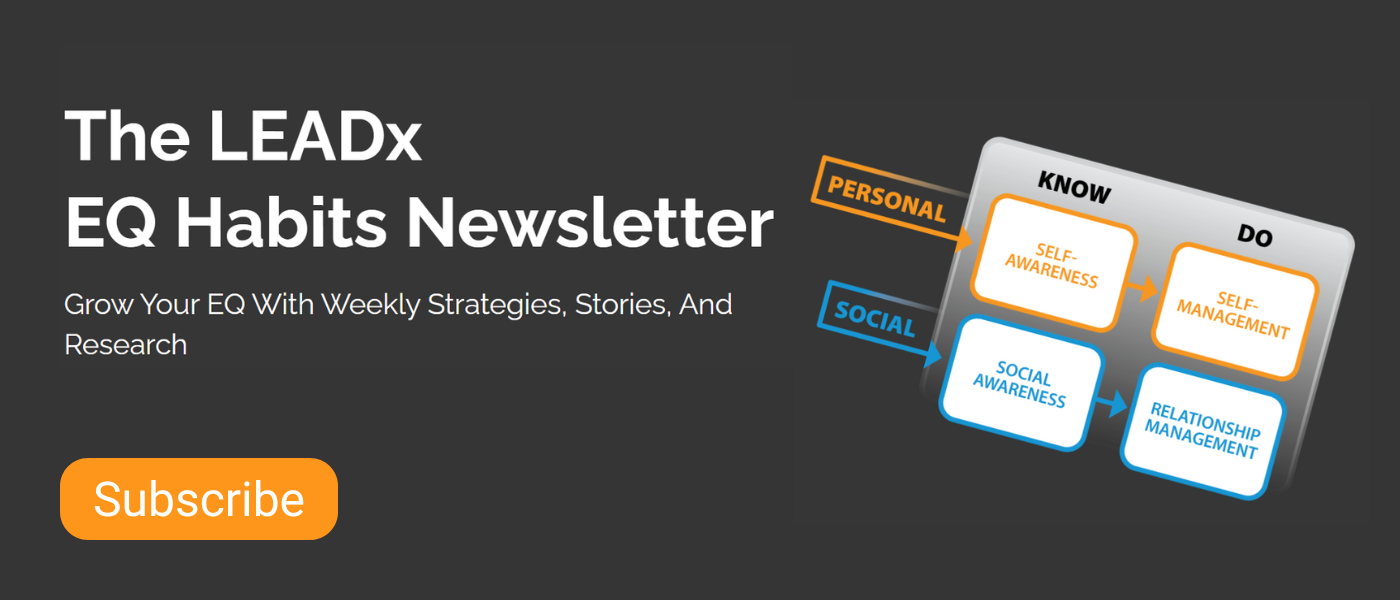
How can a senior leader set a tone where peers challenge each other and take smart risks? How can a middle manager break down siloes? And how can a first-time leader get to know the styles of each team member and spur them on toward a key result?
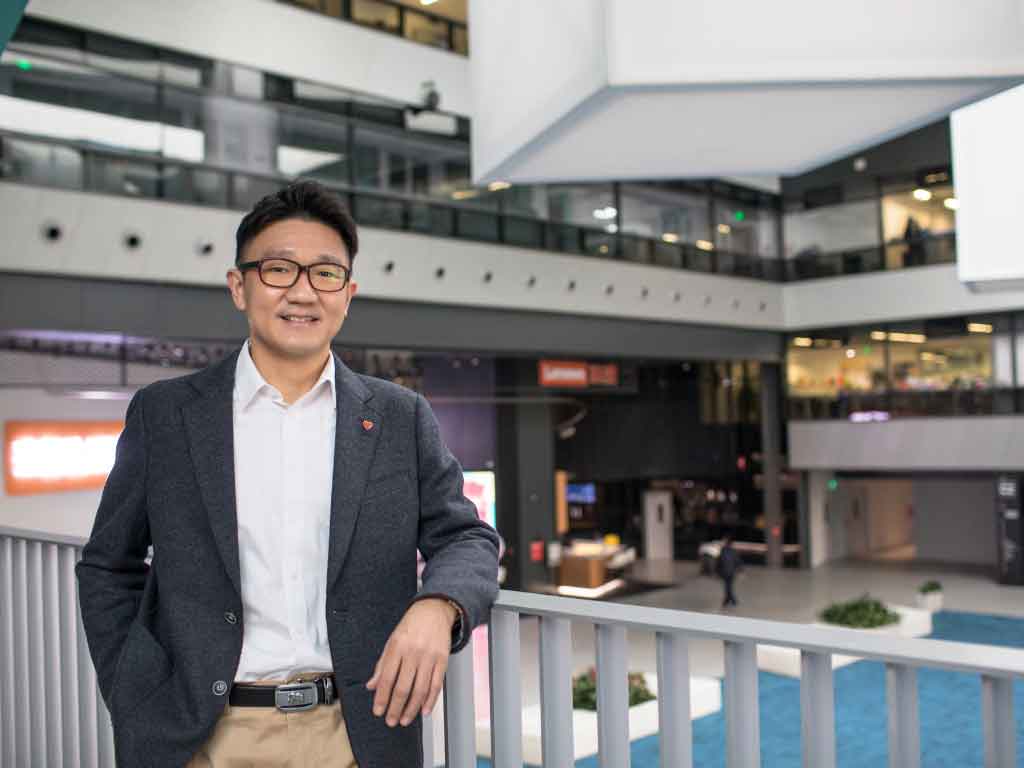
These are the kinds of questions Hwang Jann Lee, Executive Director of HR at Lenovo, is raising. And they’re the kinds of questions that are more relevant than ever in the AI Era, as the demand for enduring human skills continues to increase. In the last three months, across 20 qualitative interviews with talent development leaders, every single one has pointed to emotional intelligence and related skills as top priorities for the AI Era.
Lee oversees global learning and leadership development. Doing $69 billion in revenue, Lenovo operates across more than 60 countries and 100+ languages, and AI initiatives are already deeply embedded in workflows. For Lee and his team, emotional intelligence is a core leadership skill set that must scale across every level.
What makes Lee’s approach instructive for anyone in learning and talent development is how explicitly his team connects emotional intelligence to the real pressures leaders face.
Why AI Demands Emotional Intelligence
AI doesn’t simply automate tasks. It reshapes how work gets done—often in ways that heighten emotional load.
Cross-functional projects are more common. Decisions are made with incomplete information. Roles blur as humans collaborate with increasingly intelligent systems. And when priorities shift overnight, frustration, stress, and misalignment rise quickly.
“In this AI era, disruptions, uncertainties, and ambiguities are so obvious,” Lee explained. “If you don’t manage yourself well as a leader, you start reacting instead of thinking.”
That’s where emotional intelligence moves from theory to necessity. At Lenovo, EQ shows up less as a definition and more as a set of behaviors: self-awareness under pressure, empathy during disagreement, and emotional regulation when plans inevitably change. These behaviors prove essential for all leaders, but the emphasis shifts as they navigate different roles.
First-Line Leaders: From Doing the Work to Leading People
For first-time managers, the AI era compounds an already difficult transition. Many leaders are promoted because they’re high-performing individual contributors. But as leaders of people, their success relies much less on what they get done and much more on what their people get done.
“That role change is massive,” Lee pointed out. “You’re no longer achieving objectives by yourself. You’re achieving objectives through people.” At this level, Lee emphasized the importance of two of the four core emotional intelligence skills: self-awareness and social awareness. New managers must recognize their own triggers, preferences, and default reactions—especially when performance issues arise. They also have to learn that motivation isn’t one-size-fits-all. Ten employees usually require ten different approaches.
At Lenovo, first-line leaders build EQ through hands-on workshops that focus on managing emotions, understanding different motivators, and conducting tough conversations without succumbing to defensiveness or judgment. The goal is to develop composure and clarity as leaders.
Middle Managers: Breaking Down Siloes
Middle managers at Lenovo often lead complex, AI-driven initiatives that span hardware, software, product, and sales teams. Projects like these present unique challenges: driving results across functions of varying priorities, often without direct authority over every stakeholder. “Everyone has their own agenda,” Lee said. “Aligning them on one goal requires very strong emotional intelligence. You need deep empathy to see where each person is coming from and great relational skills to align everyone toward the same end goal.”
Lee also pointed out that the rate of change with AI work is so fast that it’s not uncommon for these projects to completely shift on a moment’s notice. A new software release can set a nearly done project back to its early stages. “When projects derail like this, EQ determines what happens next,” Lee said. While frustration and overwhelm are common when plans are disrupted, it is potentially disastrous to a team coming from a leader. According to the research, the emotions of a leader spread like a contagious disease to each member of a team. By tapping into EQ, leaders would recognize their own frustration and overwhelm, and they’d step back to pause and reflect. They might recharge or reach out to a peer for advice. And this brief pause can allow them to step back in front of their team with a sense of calm and confidence.
Senior Leaders: Creating an Environment Where Team Members Take Risks, Challenge Each Other, and Innovate
Senior leaders at Lenovo face a dual mandate: execute today’s business while simultaneously transforming it. That means leading highly diverse teams to innovate without falling behind on key objectives in the now.
“In these more senior roles, psychological safety becomes so critical,” explained Lee. “Are you creating an environment where people feel safe to speak up, to disagree, to take risks?” EQ-driven leaders listen without immediately judging (even calling on quieter members to make sure their perspective is heard), create environments where healthy conflict is the norm, and seek out the perspectives of the people doing the execution work. “A great senior leader should be talking not only to their direct reports, but also to “team members who are doing groundwork, especially early career talent” he pointed out.
Managing diverse teams adds another layer of complexity as a leader, especially at Lenovo, where they operate across over 60 countries and in over 100 languages. Cultural differences, communication styles, and expectations amplify misunderstandings if leaders aren’t emotionally adept. Senior leaders must be able to hold their own perspective while genuinely understanding others’, even when they disagree. “If you don’t create that safe environment,” Lee warned, “you shut yourself down as a leader.”
EQ Offers Value to Every Level of Leader
- At Lenovo, emotional intelligence underpins success at every level. Leaders apply different aspects of the skill set as responsibilities evolve:First-line leaders need self-awareness and emotional regulation to get to know their people and motivate them toward key outcomes.
- Middle managers need empathy and perspective-taking to align across functions and break down siloes.
- Senior leaders need deep listening and psychological safety skills to set their teams up for innovation.
The leaders who succeed in the AI era will be the ones who know how to manage themselves, read the room, and create conditions where others can do their best work—especially when the pressure is on. In other words, the ones with emotional intelligence.