
For decades, leadership on the manufacturing floor was defined by command and compliance. But a growing body of research suggests that emotional intelligence (EQ) is a leverage point for operational excellence. Research shows that training manufacturing leaders in EQ skills like listening and trust improves safety, quality, and retention.
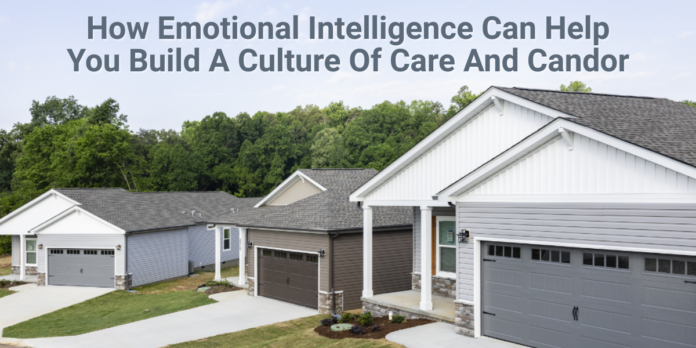
The 70-year-old home-building company, Clayton, is putting this research into practice and scaling it to more than 20,000 team members. Clayton builds, sells, finances, and insures modern manufactured and site-built homes nationwide, and like most long-established home builders, its leadership style once leaned heavily on hierarchy and control.
That, however, has changed quickly. “We realized that while the workforce had evolved dramatically, our leadership style hadn’t,” said Marti Willen, Senior Director of Organizational Development for Clayton’s 14,000-employee Home Building Group. “Old-school leadership was ‘do what I say.’ New-school leadership is about care and candor. You hold people accountable, but you show you care.”
Clayton leaders now champion this people-first approach with a simple message: people over profit. Over the last decade, this philosophy has helped transform engagement across Clayton’s stores, home building facilities, supply locations, site-builders, and offices.

From Tough Feedback to Transformative Self-Awareness
Willen began her career as an administrative assistant at a nonprofit. Known for getting work done fast, she was promoted to manage a small volunteer team and quickly improved performance. But then she hit an invisible ceiling.
A mentor pulled her aside and offered a piece of feedback that would alter her career trajectory: “You’re great at getting results, but you’ll never move past this point if you don’t start recognizing and holding space for people.”
She agreed to a 360-degree feedback survey and was stunned to see that her teammates described her as rushed, overly direct, and disconnected. “I realized I was walking so fast through the halls that people thought I didn’t see them,” Willen said. “That feedback broke my heart a little. But it changed everything.”
She began literally slowing her pace, checking in with colleagues, writing birthday cards, and learning about people’s lives outside work. “That one shift in awareness changed my life, my family dynamic, and my results,” she said. “Once I started holding space for people, they invested in the work at a whole new level.”
For Willen, this marked her first real encounter with emotional intelligence, one that to this day still drives her approach to leadership development.
EQ on the Factory Floor: Measurable Growth in Engagement
When Willen began leading leadership development at Clayton Home Building Group, she recognized a challenge unique to manufacturing: some team members’ “emotional barometers” were set to survive the workday. “It’s fast-paced, loud, labor-intensive work,” she said. “If you’re not careful, that pressure builds until you either implode or explode.”
She began using that metaphor of an internal barometer to help leaders name and manage stress. They learned to notice physical cues like a racing heart or tense shoulders as early warnings of emotional overload. “Your emotions are data,” Willen explained. “They’re not something to suppress; they’re something to regulate.” That language began to spread. Supervisors who once led with sharp commands started pausing before reacting, asking clarifying questions, and listening longer.
This shift was part of the bigger cultural shift from “command-and-control” to “care and candor.” “When leaders started showing they cared, everything changed,” Willen explained. Engagement scores followed suit, jumping from 56 in 2017 to 80 today. Team member survey items such as “My leader cares about me as a person” and “My leader values my opinion” climbed dramatically.
One key pillar that drives these results is Clayton’s in-depth leadership development programs. Clayton Ignite, an enterprise-wide leadership and development program established in 2013, was designed to strengthen the company’s hyper-relational, people-centric leadership culture and align leaders with Clayton’s values and purpose. “Ignite Gateway” prepares emerging and new leaders to succeed in a tough transition, “Ignite Excel” helps mid-level leaders thrive, and “Ignite Discover, Connect, Lead” helps senior and executive leaders envision the future.
Inside “Ignite Excel,” Clayton’s Year-Long EQ Journey for Mid-Level Managers
Each year, six cohorts of mid-level leaders go through Clayton’s “Ignite Excel” program. The program includes three immersive, in-person workshops at the company’s own learning facility, complete with overnight cabins and team dinners. Between the three in-person sessions, virtual instructor-led “Boost” classes help participants retain what they’ve learned, apply new skills and stay accountable.
Workshop 1: Self-Awareness. Much like how Willen’s EQ journey began, leaders begin the program by debriefing their 360 assessment to see how their colleagues perceive them across key leadership behaviors. Day 2 layers in a Myers-Briggs personality assessment to help leaders explore why they behave as they do. Day 3 introduces a “Fireside Chat” where leaders hold small-group conversations on vulnerability and listening without judgment. “You see these very buttoned-up managers open up about burnout or family challenges,” Willen said. “It’s powerful to realize everyone has something beneath the surface.”
Workshop 2: Developing Your Team. The next gathering focuses on coaching, feedback, and delegation. Participants practice frameworks like Situation-Behavior-Impact (SBI) and learn to hold performance conversations rooted in empathy rather than fear. Many of these skills lean heavily on EQ skills like social awareness and relationship management.
Workshop 3: Leadership Quest. The final retreat takes leaders to the Great Smoky Mountains, where cell service disappears and reflection begins. “We give them a guide, a pen, and tell them to find a quiet spot by the creek,” Willen said. After hours of solitude, they reconvene for a group debrief to share commitments for the year ahead.
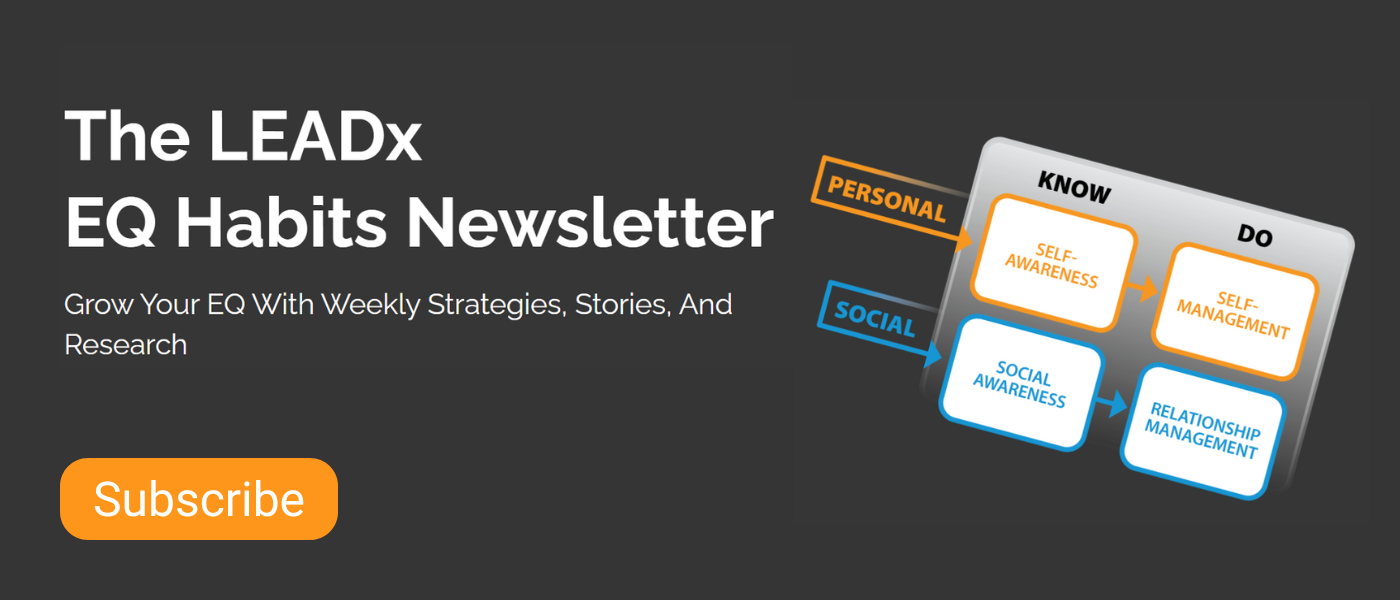
Across all three sessions, the theme remains constant: self-awareness and self-management first, then relationship management. Or as Willen summarized, “If you can’t regulate yourself, you can’t lead anyone else.”
Emotional Intelligence as a System, Not a Slogan
Clayton’s decade-long transformation highlights a broader lesson: emotional intelligence scales when it’s measured, practiced, and reinforced. By connecting EQ behaviors to engagement scores, safety data, and leadership reviews, the company established a firm connection between a “soft skill” and a hard advantage.
This model is one that any organization can adapt. Start small, measure often, and make emotional intelligence a shared expectation, not a one-time workshop.