
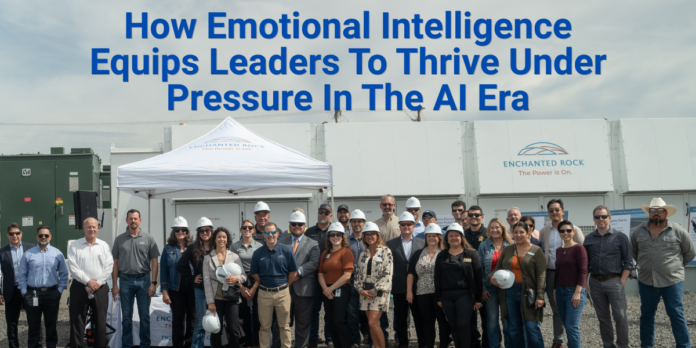
“AI can absolutely support our teams with better data, faster diagnostics, and clearer information,” Scott Abram, the Director of Training at Enchanted Rock, told me. “What it can’t do is deploy at 3am, troubleshoot in real conditions, and get power back on when it matters most. That judgment and accountability still require a human.”
That is where Scott Abram wants leaders to start when they think about the AI era. “AI increases the speed and the complexity of what we are able to do. We're able to operate faster and get data quicker,” he explained.
But at the same time, he pointed out that all of this new speed and complexity won’t replace the enduring leadership challenges, like self-awareness, trust-building, and navigating change. In fact, across over 40 interviews with L&D leaders, nearly all have indicated that the need for these skills is growing, not shrinking. “Training leadership is about making sure your leaders are ready to implement and execute when there’s a lot of change, when things get messy, and when things get chaotic,” Abram said. “My training team equips these leaders with the human skills they need to make good decisions and lead their teams effectively in these moments of change and high-consequence conditions.”
Enchanted Rock helps critical organizations—hospitals, large manufacturing facilities, grocery distributors, utilities, data centers—stay open and operational despite grid disruptions. To prepare their leaders to thrive under pressure and make sound decisions, Abram leans heavily on emotional intelligence. He views emotional intelligence (EQ, or emotional quotient) as a foundational skill for all other leadership skills.

Self-Awareness Opens the Gateway to Emotional Intelligence
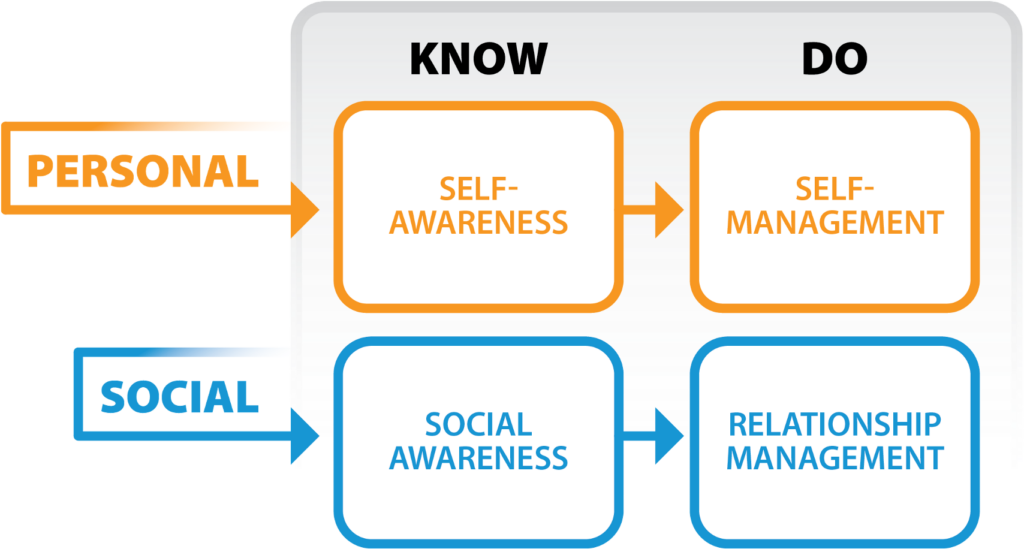
“Self-awareness is the springboard to emotional intelligence. If you don't understand yourself and you’re unable to really identify who you are, what makes you tick, you're never going to be able to understand anybody else,” Abram said.
To build self-awareness at Enchanted Rock, Abram and his team examine each leader’s motivators, purpose, and meaning. Then, they explore how each of these elements can help inform their approach as a leader.
From there, Abram trains self-regulation, or your ability to manage your emotions. His introductory leadership workshop gets into Victor Frankl’s concept of “creating space between stimulus and response.” “In that space, where you get to choose your response, is where much of your growth occurs,” he said.
Lastly, Abram gets into empathy and relationship building. “Once you understand yourself better and you’re able to regulate your emotions, you have a much better capacity to engage with your team, build trust, and help your team navigate tough situations.”
Build Trust to Prevent Groupthink
Abram also sees emotional intelligence as a safeguard against one of the most dangerous mistakes in any organization: groupthink.
He points to the Challenger disaster as a defining case. What has stayed with him is not just the technical failure of the mission, but the human one: a group becoming “so afraid of dissent” that even people who knew something was wrong hesitated to speak up.
“Emotionally intelligent leaders seek feedback and dissenting perspectives, especially when stakes are high,” he said.
Even more important when it comes to breaking down groupthink, Abram pointed out that emotionally intelligent leaders build trust over time. That way, their team members feel comfortable speaking up. To build that trust, leaders need to understand their people on a deeper level—their personality, values, and motivators.
When trust is built and when leaders actively seek feedback from every voice in the group, a team will begin to feel more comfortable speaking up and sharing dissent.
Emotional Intelligence Can Be Taught
Abram rejects the idea that emotional intelligence belongs to “a chosen few” who were born with it. “Leaders can be made,” he said. “Emotional intelligence can be developed.”
His model for training emotional intelligence is practical. Define the key behaviors. Clarify what good looks like. Practice them. Reinforce them. Give people the chance to reflect, apply, and grow.
This approach keeps EQ from becoming vague, mystical, or elitist. Instead, EQ is treated as a set of human skills that can be named, taught, and strengthened.
EQ Will Help Prepare Your Leaders for the AI Era
In their leadership development work at Enchanted Rock, Abram keeps returning to one line passed down from one of his senior Army leaders: “You don’t know what you don’t know, so you better know who you are.”
This quote acts as a core leadership philosophy for the growing team at Enchanted Rock. “Tomorrow’s challenges won’t always look like the ones we face today,” he said. “But leaders who know what they value can make sound decisions when conditions shift and high-pressure situations arise.”
In the AI era, many companies will be tempted to define leadership readiness by technical savvy, but so much of effective leadership will return to these timeless emotional intelligence skills—knowing yourself, regulating your emotions, and building trust.
As Abram put it: “When the pressure ratchets up, people aren’t looking to a platform. They’re looking to a person. And that’s never going to change.”